
At DANDRITE, talent development is a core priority. We support researchers at all career stages—from students to early-career group leaders—by fostering an environment of scientific excellence, collaboration, and mentorship. Our commitment is reinforced through several key initiatives: our Scientific Advisory Board provides expert feedback and strategic guidance to support scientific growth; annual group leader retreats create a dedicated space for reflection, planning, and cross-group collaboration; and our peer-to-peer mentoring initiatives encourage a strong, supportive community where knowledge and experience are shared openly. Together, these efforts form the foundation of our mission to nurture the next generation of neuroscience leaders and advance our research.
Below you’ll find a snapshot of some of the standout moments from 2025—highlights that showcase how DANDRITE continues to strengthen its role as a dynamic talent‑development programme. One of our major new initiatives is the launch of a biennial international neuroscience symposium to increase the international visibility of our group leaders. As the first event of its kind, it exceeded all expectations, drawing 114 participants from 12 countries, including leading institutions such as Harvard, MIT, Yale, MPI, EPFL, Biozentrum, and Mount Sinai.
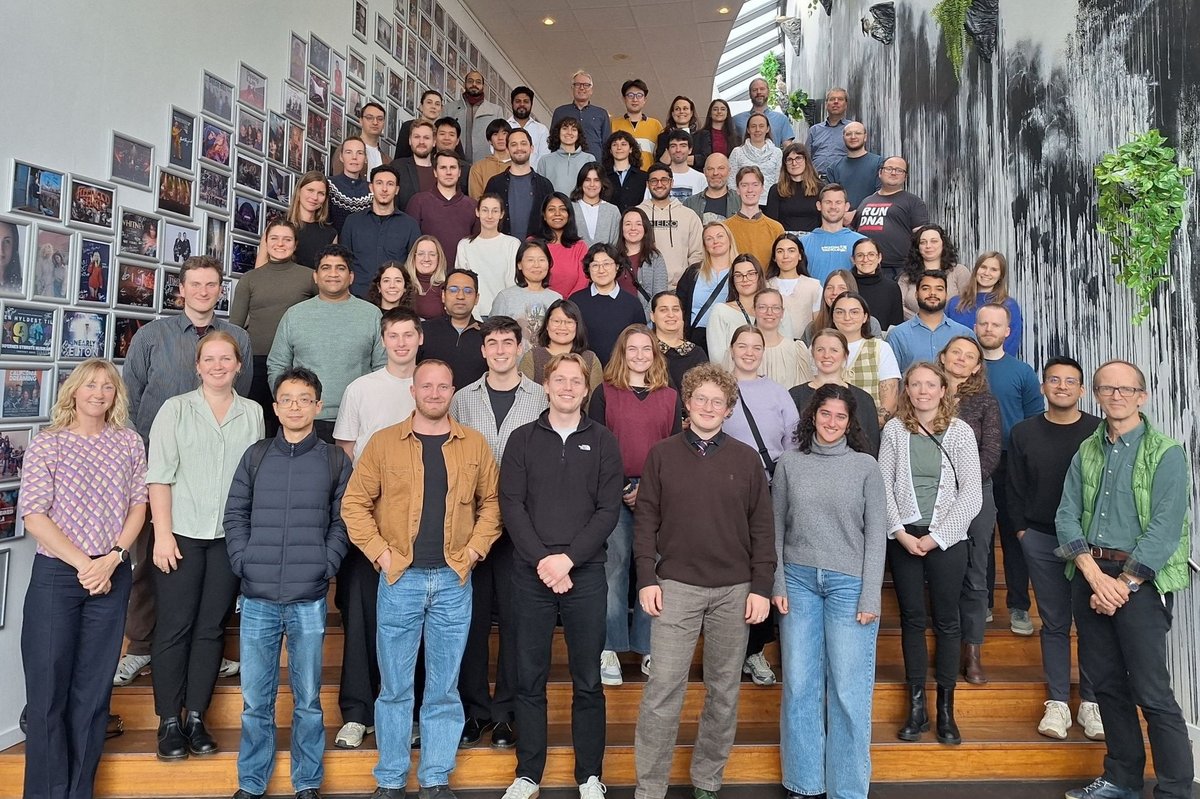
We also continue to weave career‑development elements into our activities. One example is a special session at our most recent retreat, where four group leaders shared stories from their career journeys—highlighting the moments that didn’t go according to plan.
These glimpses offer a taste of how we try to cultivate scientific excellence and support the next generation of researchers.
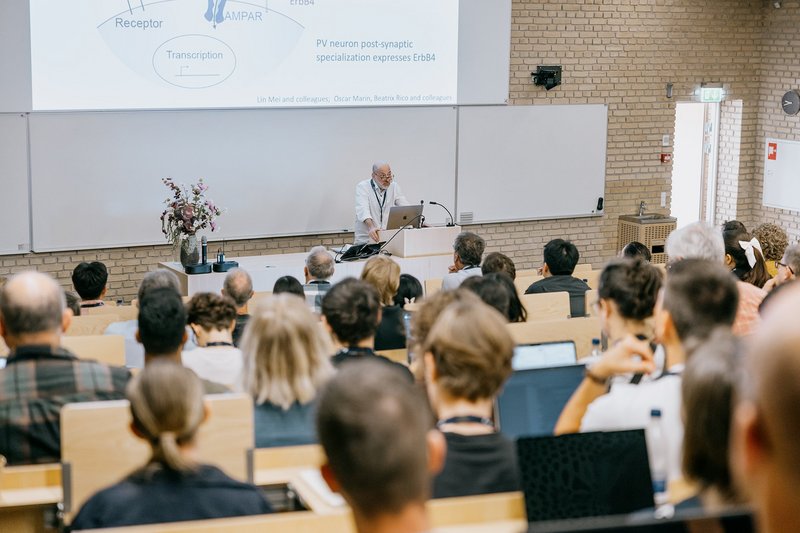
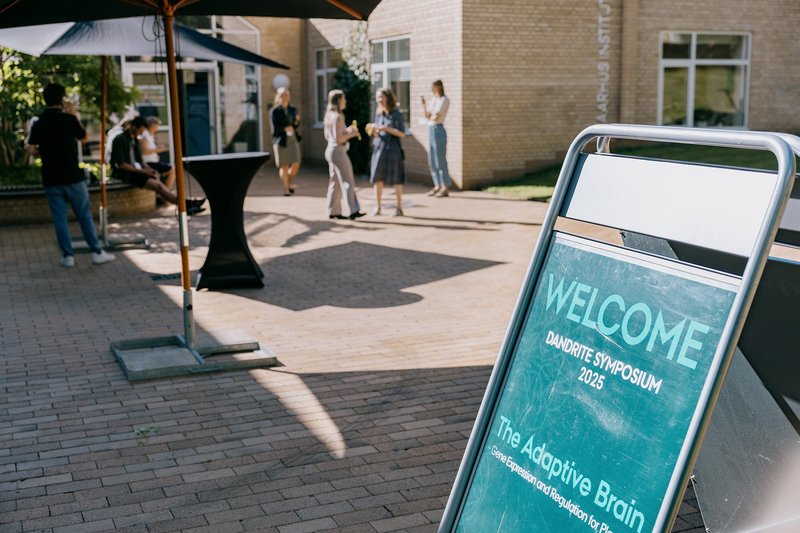
DANDRITE’s first international symposium, The Adaptive Brain: Gene Expression and Regulation for Plasticity, marked a milestone in our mission to cultivate and elevate scientific talent. Organized and hosted by DANDRITE group leaders Taro Kitazawa and Chao Sun, the symposium responded to the Scientific Advisory Board’s recommendation that DANDRITE host a recurring, high-profile international meeting to strengthen global visibility and provide our emerging leaders with a platform to shape their scientific fields.
By entrusting two group leaders with the full scientific and organizational responsibility for a major international event, DANDRITE has taken a deliberate step toward developing leadership skills, expanding professional networks, and enhancing international recognition for our researchers. This aligns with the broader talent development strategy: to empower group leaders not only as excellent scientists, but also as visible, influential contributors to the global neuroscience community.
The 2025 symposium brought together more than a hundred participants and featured keynote lectures from world leading researchers, including Michael Greenberg, Elly Nedivi, Anne Schaefer, and Alex Schier. Their presence - alongside a diverse audience of senior scientists, postdocs, and PhD students - created a dynamic environment for scientific exchange and mentorship. For young researchers at DANDRITE, this offered a rare opportunity to engage directly with pioneers in gene regulation, plasticity, and molecular neuroscience, strengthening both scientific insight and career building connections.
Beyond its scientific programme, the symposium serves as a strategic investment in DANDRITE’s future. It establishes a tradition that will continue to amplify the center’s international profile, attract top talent, and foster collaborations that support the growth of our group leaders and trainees. In this way, the symposium is more than an event - it is a cornerstone of DANDRITE’s commitment to nurturing excellence and shaping the next generation of neuroscience leaders.
We are already looking forward to the next symposium in 2027.
At the 2025 DANDRITE Retreat, we introduced a new career development session titled “Learnings from the Unplanned”, designed to give early career researchers an authentic look into the realities of academic career paths.
The session featured personal talks by Group Leader Anna Klawonn, AFR Daan van Aalten, AFR Felicity Davis, and Team Leader Gilles Vanwalleghem, each of whom shared not only the highlights of their scientific journeys but also the setbacks, uncertainties, and unexpected turns that shaped their careers.
Rather than presenting the polished “shiny CV,” the speakers openly discussed their shadow CVs: moments where experiments failed, opportunities fell through, career plans shifted, or they nearly left academia altogether.
Across the talks, themes such as imposter syndrome, competition, vulnerability, risk taking, and the role of chance emerged as shared experiences. Together, they illustrated that academic careers rarely follow a straight line - and that perseverance, adaptability, and support networks are just as important as scientific excellence.
Following the talks, participants engaged in breakout discussions, sharing their own experiences and reflections. The session concluded with a panel discussion involving all PIs, supported by an anonymous question tool that allowed junior researchers to raise sensitive or difficult questions without hesitation. This format helped create a space of psychological safety and openness, encouraging honest dialogue across career stages.
By highlighting the less visible aspects of scientific careers, the session contributed directly to DANDRITE’s talent development mission. It offered young researchers valuable insights into the lived experiences of more established colleagues, helped normalize the challenges inherent in academic life, and strengthened the sense of community and inclusion within the centre. The initiative underscored that talent development is not only about scientific training but also about fostering resilience, transparency, and a supportive research culture.

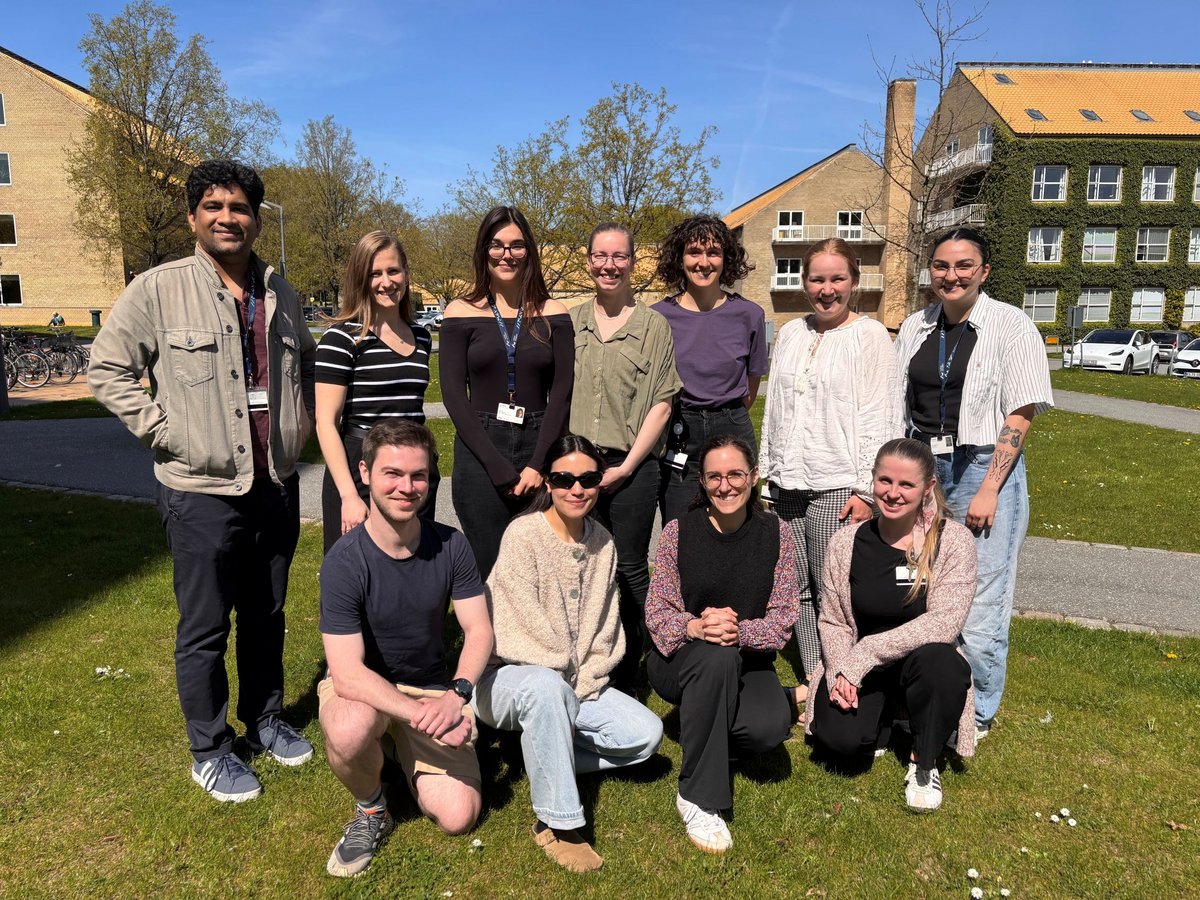
Our early career organisation, Young DANDRITE (YoDA), plays a central role in developing relevant workshops and events for our young research community, including in 2025. In collaboration with the Young Neuroscience Network (YNN), YoDA organised the joint after-hours event “Slice of Science”, where three researchers shared their experiences of turning scientific ideas into successful businesses.
YoDA also organised and hosted four hands-on workshops for junior researchers across groups:
These sessions strengthened practical skills and encouraged peer-to-peer knowledge sharing.
Beyond academic development, YoDA actively contributes to DANDRITE’s social and collaborative culture. The organisation helps plan team-building activities at the annual retreat and the Christmas get-together, and supports community-building events throughout the year.
We are proud of and grateful to the dedicated group of young researchers who volunteer their time and energy to YoDA. Their engagement helps create a vibrant and supportive environment that is essential for attracting and retaining the next generation of neuroscience talent.
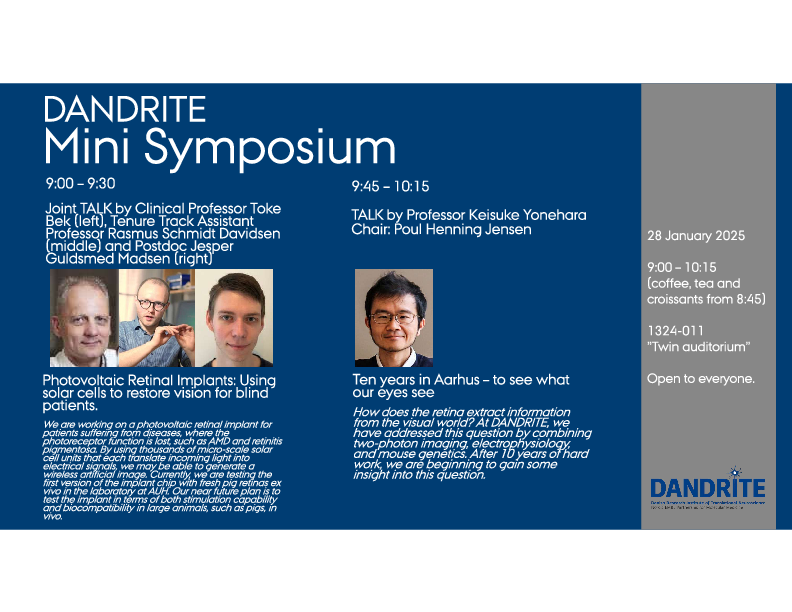
Keisuke Yonehara, Group Leader from 2015-2024 (with dual position during 2021-2024) now a DANDRITE alumni and Professor of Systems Physiology at Yokohama City University School of Medicine, visited DANDRITE in 2025. During his visit, he hosted a mini-sympoisum and gave a wonderful talk entitled Ten years in Aarhus – to see what our eyes see.
It was a pleasure to hear and see how Yonehara's research has evolved over his ten years at DANDRITE.
Through the combination of two photon imaging, electrophysiology, and mouse genetics, his group has worked to answer a fundamental question: How does the retina extract information from the visual world? After a decade of dedicated effort, the insights are beginning to crystallize.
We are delighted that Keisuke Yonehara is now a professor in his hometown of Yokohama, and we look forward to following his continued scientific journey.
